
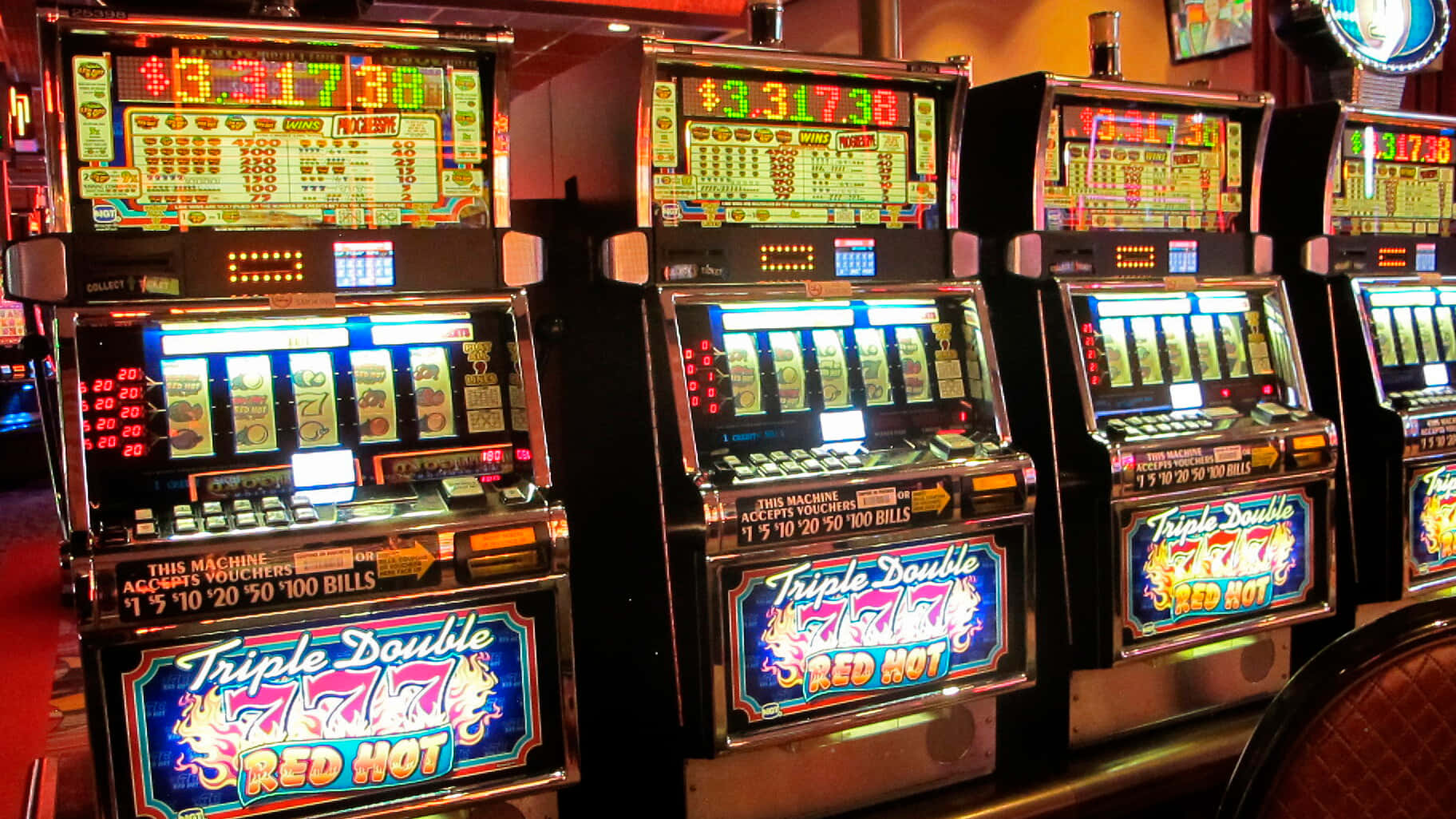
I remember the moment I came across a casino tournament lobby https://bettilt-casino.eu/. The flashing countdown timers, the real-time leaderboards, and the collective tension in the chat was nothing like the solitary slot sessions I was accustomed to. A casino tournament transforms a normally solo activity and converts it into a structured contest, with players competing for a share of a prize pool, often at a fraction of the usual cost. Instead of tackling the house edge alone, you measure your performance against dozens or hundreds of other players. The core mechanic is basic: you play designated games within a fixed time window, and your score, usually based on win multipliers or total points accumulated, decides your rank on a dynamic leaderboard. Once you comprehend that shift from playing alone to competing against others, it’s simple to see why tournaments have become a regular feature at places like Bettilt Casino.
How Tournament Scoring Mechanics Really Work
When I first began analyzing tournament rules, I realized that not all points are created equal. The most common scoring model is the “win multiplier” system, where the calculation disregards your bet size entirely. If you stake €0.10 and hit a 500x multiplier, you get 500 points; if a high roller bets €50 and wins the same multiplier, they also get 500 points. This democratic structure is why low-stakes players can always top leaderboards. Other tournaments use a “total win” format, which does consider bet size and typically favors higher wagering volumes. A third, less common variant is the “consecutive win” or “streak” format, where points increase as you land back-to-back winning spins. I always recommend checking the specific mathematical formula in the terms before spinning, because your entire strategy, from game selection to spin speed, relies on whether you are chasing raw multipliers or absolute cash totals.
Deciphering Prize Pool Formats and Dispersal
The manner a prize pool is distributed dramatically influences whether a tournament is valuable. Some events showcase a massive headline figure, but upon review, the top prize is a single luxury car or a massive cash sum, while the other 99% of players obtain token amounts. I prefer tournaments with a balanced distribution curve, where the difference between ending 10th and 50th is significant. Prize types also change significantly. Cash prizes are the most simple and usually come with no or low wagering requirements. Free spins, however, often carry a 35x to 40x playthrough requirement on any winnings earned from them. I have also come across “bonus money” prizes that operate like a limited balance you must bet multiple times before payout. A specific format I value is the “mystery prize” drop, where lucky players outside the top ranks obtain surprise rewards, maintaining engagement high even when a top-three finish looks out of reach.
Real-time Casino Tournaments and Table Game Dynamics
While slots rule the tournament landscape, I have seen a surge in live casino competitions that merit distinct attention. These commonly revolve around blackjack or roulette and use a chip accumulation model. In a live blackjack tournament, all players start with an equal stack of virtual chips and play a set number of hands against the dealer. The goal is not just to beat the house but to amass a larger stack than your opponents. This introduces a strategic layer absent from slots. If I am trailing the leader in the final hands, I must deviate from basic strategy and make aggressive splits or double downs to close the gap. Live roulette tournaments often emphasize straight-up bets due to their high payout, rewarding players who take calculated risks. The social element amplifies here because you can see the dealer and sometimes interact with competitors, making the experience feel closer to a televised poker event than a standard online session.
Bankroll Control In Tournament Play
Tournament play alters normal bankroll logic because the prize pool equity modifies your risk calculation. I divide my budget into two mental accounts: the “ticket cost” and the “ammunition roll.” The ticket may be free or a fixed buy-in, but the ammunition is what you really spin with. In a multiplier-based event, I lower my bet size significantly compared to casual play. Since the score ignores wager size, a €0.20 spin provides identical scoring potential to a €2 spin, while preserving my capital for ten times as many attempts. The math is simple: more spins mean more chances to catch that outlier 1000x event that wins tournaments. I also set a hard stop-loss. It is easy to chase a leaderboard position by depositing more, but if my ammunition roll depletes before the clock runs out, I embrace the loss rather than cannibalizing funds meant for other purposes. Discipline in this area distinguishes profitable tournament players from those who bleed funds.
The Essential Role of Selected Game Selection
I can’t overstate how much your selection of a specific slot matters in a tournament. Most tournaments confine play to a single title or a curated collection from a specific provider. When the field is limited to one high-volatility slot, the leaderboard often becomes a lottery where only those who trigger the bonus feature survive. If the tournament allows a range of games, I look for titles with high hit frequencies rather than massive jackpot potential, because consistent small multipliers accumulate points steadily without the risk of a zero-score round. It’s also smart to check the theoretical return to player of the eligible games. In a multiplier-based tournament, a game with 96% RTP will generally allow your balance to last longer than one with 94%, giving you more spins to chase a leaderboard-topping score. I always load the eligible game in demo mode first to gauge its bonus frequency before committing real funds to the competition.
Employing Platform Tools and Instant Leaderboards
Current tournament interfaces offer data that can actively mold my mid-session strategy. A active leaderboard that updates every few seconds lets me know exactly where I stand. If I notice my rank falling in the final 15 minutes, I might switch from a conservative game to a higher-volatility option to seek a necessary multiplier. Some platforms include a “score to beat” widget, showing precisely what multiplier I must have to reach a paid position. I also attend to the number of active players. A tournament with 2,000 registered players but only 1,200 actively spinning offers a softer field than the numbers initially indicate. Notifications are another undervalued tool; I enable alerts for when I fall out of a winning bracket, so I can decide whether to re-enter or acknowledge the result without constantly looking at the screen. Employing these technological aids transforms a blind gamble into an informed tactical exercise.
Fixed Versus Sit & Go Tournament Formats
The structural framework of a tournament governs the pace of your entire session. Scheduled tournaments are the marquee events; they commence at a predetermined time, often operate for a set duration like two or six hours, and feature the largest secured prize pools. These demand carving out a certain period in my day, but the benefit is a deep leaderboard with hundreds of players sharing the load. In comparison, sit-and-go tournaments start the instant a needed count of players join, making them perfect for casual play. These are typically quicker, sometimes lasting only 10 to 20 minutes, and restrict the participant count to ensure a beneficial player-to-prize ratio. A further hybrid gaining traction is the “reloader” format, where you can invest a minor fee to restart your score to zero and try again if your first session went badly. Choosing the pace that matches your style keeps you from the irritation of jumping into a marathon event when you only have a 20-minute break.
Frequent Mistakes and Tactical Misunderstandings
I have documented enough tournament mistakes to catalog the most damaging ones. The first is the “speed trap”: believing that spinning faster always produces a higher score. While volume matters, clicking the button mechanically without watching results can lead to rapid balance depletion before a bonus round triggers. A deliberate, attentive pace often beats frantic clicking. The second misconception is viewing a tournament like a progressive jackpot chase. In a standard slot session, a 1000x win is a fantastic result, but in a large-field tournament, it might only be enough for 50th place. You need an unusual outlier, which requires understanding that most sessions will end without a prize. The third pitfall is overlooking time zones and server cutoffs. A tournament might display a 6 PM end time, but if that is in a different time zone than your local clock, you risk missing the final and most crucial minutes. I always synchronize my session clock with the casino’s server time displayed in the lobby.
Integrating Tournaments into a Wider Casino Experience
I consider tournaments not as standalone events but as value-added layers atop the regular gaming portfolio present at a platform like Bettilt Casino. When I organize my weekly entertainment budget, I compare the tournament schedule with my preferred game categories, whether that is standard slots, live dealer tables, or instant win games. If a tournament includes a provider I already appreciate, the entry becomes a natural extension of my routine rather than a artificial deviation. I also evaluate the interplay with standard welcome offers and ongoing promotions. Some operators enable tournament play to add toward bonus wagering requirements, practically letting a single session serve dual purposes. Payment method efficiency is important here too; knowing that my preferred e-wallet completes withdrawals within 24 hours means I can claim tournament winnings swiftly without the frustration of lengthy pending periods. This comprehensive approach, where tournaments supplement other platform features instead of competing with them, is what makes the modern online casino ecosystem attractive for a strategic player.